



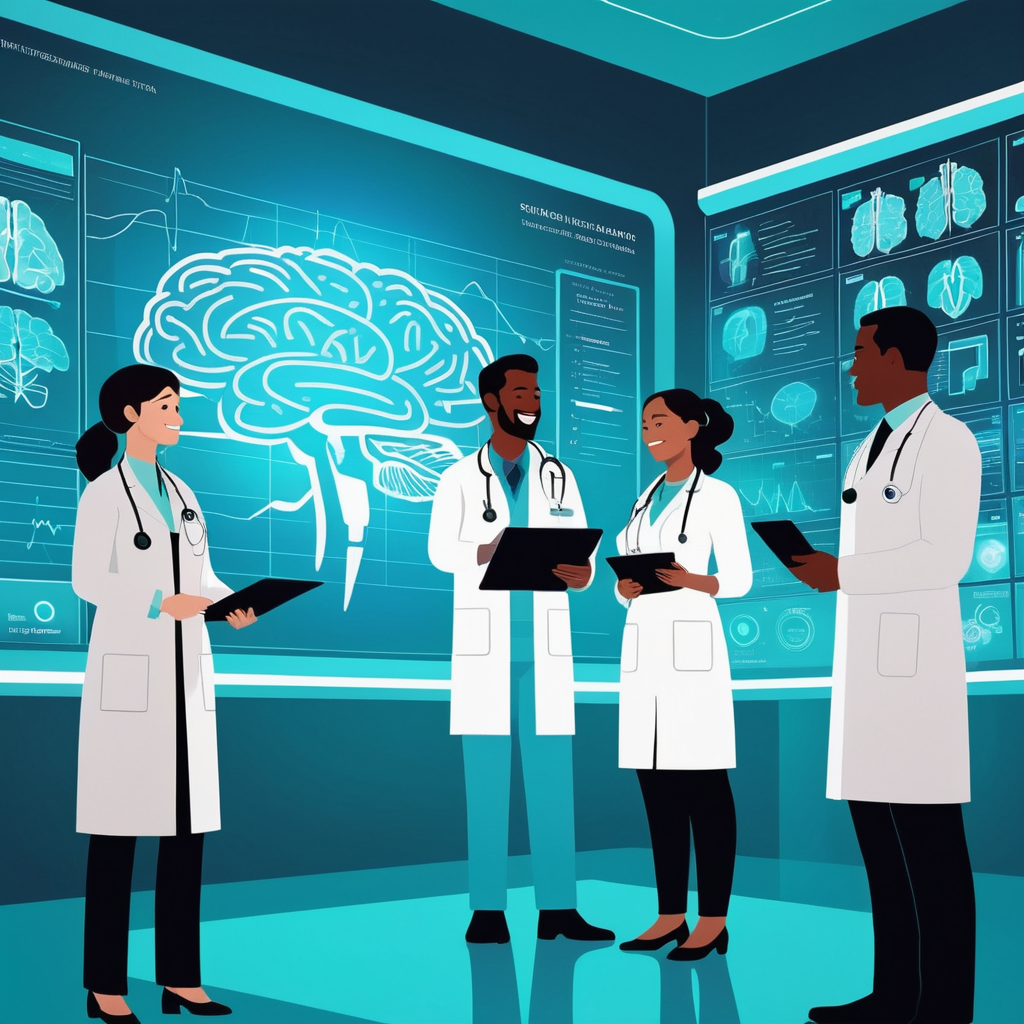
Exploring the diverse ai applications in healthcare reveals a fundamental transformation of healthcare delivery in 2026, moving far beyond experimental pilots into core clinical systems that support diagnostics, treatment planning, administrative workflows, and patient engagement. As emerging technologies converge with healthcare operations, AI now encompasses machine learning algorithms that detect diseases earlier and with greater accuracy than human practitioners, natural language processing systems that unlock insights from millions of clinical notes, deep learning models that accelerate drug discovery by years, and intelligent agents that streamline operational bottlenecks consuming clinician time. Yet this widespread adoption reveals a more nuanced reality than early promises suggested: AI succeeds when carefully integrated into clinical workflows and designed around human limitations rather than replacing clinician judgment; performs unevenly across patient populations, raising serious concerns about equity and algorithmic bias; and requires robust governance frameworks balancing innovation with patient safety, data privacy, and informed consent. Examining how AI genuinely transforms healthcare requires considering not only technological capabilities but also implementation challenges, ethical considerations, and the persistent need for human oversight in systems where decisions directly affect patient lives. This comprehensive analysis will explore the multifaceted applications of AI across healthcare sectors, analyze barriers to effective implementation, address critical ethical and regulatory concerns, and articulate the emerging evidence about what AI can and cannot accomplish in clinical practice.
Diagnostic Applications and Clinical Pattern Recognition
Artificial intelligence has emerged as a powerful tool for disease diagnosis and early detection, fundamentally changing how clinicians identify pathology across numerous medical conditions. Machine learning algorithms now achieve diagnostic accuracy exceeding ninety percent in several domains, with some applications surpassing human expert performance on specific tasks. These advances represent a paradigm shift in diagnostic medicine, where AI algorithms analyze vast datasets to identify subtle patterns imperceptible to human observation, enabling earlier intervention and better patient outcomes. The capability to process complex multimodal data—combining clinical laboratory results, imaging studies, genetic information, and patient demographics—allows AI systems to construct comprehensive patient risk profiles and generate personalized diagnostic assessments tailored to individual characteristics.
Medical Imaging and Radiological Applications
Machine learning has revolutionized medical imaging interpretation, with deep learning algorithms demonstrating remarkable proficiency in detecting abnormalities across multiple imaging modalities. In breast cancer screening, AI-based systems have achieved unprecedented accuracy in identifying tumors during mammographic examination, with some systems demonstrating performance superior to experienced human radiologists. These advances extend beyond static accuracy metrics; AI systems can provide nuanced risk stratification, identifying patients at elevated risk for future malignancy and facilitating earlier therapeutic interventions before tumors progress to advanced stages. The application of convolutional neural networks to radiological images has enabled systematic analysis of complex spatial relationships within tissue structures, identifying microarchitectural features that might escape even expert visual inspection.
In retinal imaging, AI algorithms have achieved exceptional performance in detecting diabetic retinopathy, one of the leading preventable causes of blindness worldwide. Studies demonstrate that deep learning systems achieve 97.05 percent sensitivity and 93.4 percent specificity in classifying referable diabetic retinopathy, substantially reducing the human resources required for screening programs in resource-limited settings. These systems function effectively across diverse populations and imaging platforms, enabling deployment in varied clinical contexts from tertiary medical centers to primary care clinics in underserved regions. The capacity of AI to perform accurate screening without requiring highly specialized clinician expertise democratizes access to diagnostic services previously concentrated in major urban medical centers.
However, the translation of radiological AI from research settings into routine clinical practice has proceeded more cautiously than early enthusiasm predicted. While individual AI tools demonstrate high accuracy on benchmark datasets, real-world performance depends critically on integration into established clinical workflows, radiologist expertise levels, and the specific context in which tools are deployed. Research from Harvard Medical School reveals that AI assistance improves diagnostic performance for some radiologists while paradoxically worsening performance for others, highlighting the heterogeneous nature of human-AI collaboration. This variability suggests that effective implementation requires understanding individual clinician factors—including years of experience, specialty focus, and prior exposure to AI tools—rather than assuming uniform benefits across all practitioners. Some radiologists develop overconfidence in AI recommendations when the system performs reliably, potentially reducing their own cognitive engagement with challenging cases. Conversely, radiologists with greater expertise may better recognize when AI predictions warrant skepticism, using their accumulated knowledge to verify algorithmic recommendations.
Disease Diagnosis Across Multiple Conditions
Machine learning applications for disease diagnosis have expanded dramatically, with algorithms achieving clinically meaningful accuracy for conditions ranging from diabetes and kidney disease to cancer and neurological disorders. In diabetes diagnosis, various machine learning approaches including k-nearest neighbors, support vector machines, and neural networks have achieved accuracy rates exceeding ninety-eight percent on test datasets. These algorithms extract meaningful patterns from laboratory markers, demographic data, and clinical history to identify individuals with diabetes who might otherwise remain undiagnosed. Kidney disease detection has similarly benefited from machine learning approaches, with heterogeneous modified artificial neural network models achieving accuracy between eighty-seven and ninety-nine percent when trained on diverse patient datasets.
Neurological conditions including Parkinson’s disease have become targets for machine learning diagnosis, with random forest algorithms demonstrating superior discrimination compared with other approaches, achieving ninety percent accuracy in identifying affected patients. In brain tumors and other neurological pathology, boosted logistic regression models have achieved ninety-seven percent accuracy in distinguishing affected individuals from healthy controls. These developments are particularly significant because Parkinson’s disease and similar neurodegenerative conditions present diagnostic challenges in early stages, when subtle clinical signs may be difficult for even experienced neurologists to recognize. AI systems trained on large datasets can identify combinations of subtle features—including speech pattern changes, motor performance alterations, and imaging findings—that collectively increase diagnostic confidence and enable earlier therapeutic intervention.
Cancer diagnosis has benefited substantially from machine learning approaches applied to pathological specimens and clinical data. Deep learning algorithms can analyze histopathological images to identify malignant cells and predict tumor grade and prognosis with accuracy approaching or exceeding expert pathologist interpretation. The integration of genomic data with clinical and imaging information through AI algorithms enables comprehensive cancer characterization, identifying the specific molecular drivers of individual tumors and enabling selection of targeted therapies most likely to provide clinical benefit. This precision genomics approach has already transformed treatment for specific cancer subtypes, as exemplified in medulloblastoma where AI-guided analysis identified discrete molecular subgroups enabling chemotherapy-only treatment for lower-risk disease subtypes, eliminating the need for neurotoxic whole-brain radiation in susceptible populations.
Clinical Decision Support and Risk Stratification
The integration of artificial intelligence into clinical decision support systems represents one of the most consequential applications of technology in healthcare, with potential to enhance diagnostic accuracy, optimize treatment selection, predict adverse events before they occur, and identify patients most likely to benefit from intensive interventions. Clinical Decision Support Systems enhanced by AI leverage machine learning algorithms, natural language processing, and deep learning architectures to synthesize complex patient data into actionable clinical recommendations, fundamentally transforming how healthcare providers approach diagnosis and treatment planning. These systems operate by continuously analyzing patient data streams in real time, identifying patterns associated with specific clinical outcomes, and generating risk scores that stratify patients into categories reflecting their likelihood of experiencing adverse events or clinical deterioration.
Risk Stratification and Early Intervention
Machine learning models for patient risk stratification have demonstrated substantial clinical value in identifying high-risk cohorts most likely to benefit from intensive management. At Mayo Clinic, implementation of an artificial intelligence-based clinical decision support system designed to predict thirty-day hospital readmission resulted in significantly reduced readmission rates when coupled with targeted interventions for high-risk patients. The algorithm identified patients in the top twentieth percentile of readmission risk with sixty-five percent sensitivity and eighty-nine percent specificity, and when staff implemented interventions specifically targeting high-risk individuals, readmission rates decreased from forty-three to thirty-four percent—a clinically meaningful reduction achieved through proactive care management. This demonstrates that AI systems excel at identifying patients most likely to benefit from intervention, allowing healthcare organizations to allocate limited resources toward individuals with highest need and greatest likelihood of benefit.
Emergency departments have become laboratories for AI-driven triage and risk stratification, with machine learning algorithms consistently outperforming conventional triage scoring systems in predicting patient outcomes. Multiple studies demonstrate that machine learning models exceed the discrimination ability of traditional scoring systems including the Emergency Severity Index, correctly identifying patients requiring critical care more accurately than nurse-based triage protocols. These systems analyze chief complaints, clinical history, vital signs, and laboratory values to predict which patients will require hospitalization, intensive care unit admission, or experience adverse in-hospital outcomes. The capacity to identify high-risk patients early in their emergency department presentation enables expedited diagnostic workup, earlier therapeutic intervention, and potentially improved survival and functional outcomes.
Large language models have emerged as promising tools for emergency department triage, with general-purpose models demonstrating impressive performance on comparative diagnostic tasks without requiring specialized training. When presented with pairs of patient histories, language models successfully identify which presentation corresponds to higher acuity triage classifications at rates exceeding human performance on benchmark datasets. However, important limitations emerge when examining performance on adjacent acuity levels or when requiring real-time assignment of absolute triage scores before clinical evaluation, highlighting that AI tools may excel at specific comparative tasks while struggling with broader clinical applications. The most promising applications leverage AI as an adjunct to human triage nurses, identifying high-risk patients during arrival delays before nurse assessment is feasible, or providing decision support suggestions that complement rather than replace human clinical judgment.
Sepsis Prediction and Early Detection
Sepsis represents a particularly compelling application domain for AI-driven clinical decision support, given that every hour of treatment delay substantially increases mortality risk and earlier recognition enables life-saving interventions. Artificial intelligence algorithms developed using clinical data from electronic health records can predict sepsis onset hours to days before clinical manifestation, enabling prophylactic treatment and potentially preventing progression to septic shock. The Targeted Real-time Early Warning System demonstrated that implementation of an AI sepsis prediction algorithm reduced time to first antibiotic order by 1.85 hours compared with standard care, and after adjusting for patient severity, usage of the system was associated with improved mortality rates particularly for high-risk patients. This translates to concrete clinical benefit: faster antibiotic administration represents one of the most evidence-supported interventions in sepsis management, and any system enabling earlier treatment initiation has potential to substantially improve outcomes at scale.
Multiple machine learning approaches have achieved strong predictive performance for sepsis detection. Gradient boosting decision tree models achieved area under the receiver-operating characteristic curve of 0.992 with F1 score of 0.933 in predicting sepsis mortality, substantially outperforming traditional scoring systems. These models identify critical predictors of mortality including age, Glasgow Coma Scale score, blood urea nitrogen, lactate, heart rate, and blood pressure, and generate continuous risk scores enabling real-time identification of patients experiencing clinical deterioration. A deep learning model called COMPOSER achieved 1.9 percent reduction in sepsis-related mortality and five percent improvement in treatment protocol adherence when implemented across multiple emergency departments, demonstrating that AI-driven improvements translate into measurable clinical benefit when systems are effectively deployed.
Yet successful sepsis prediction requires careful attention to implementation details and the clinical context in which algorithms operate. Sensitivity and specificity trade-offs become clinically important when considering false positive alerts that could overwhelm clinicians or create alarm fatigue, or false negatives that might result in missed diagnosis of genuine sepsis. The most clinically useful algorithms prioritize achieving high specificity to avoid overwhelming staff with false alarms, accepting lower sensitivity with the recognition that they will miss some true positives but will generate actionable alerts only when genuine risk is substantial. External validation in diverse patient populations and healthcare settings remains essential, as algorithms trained on specific institutions may perform poorly when applied to different patient demographics, disease prevalence, and clinical contexts.
Artificial Intelligence in Drug Development and Precision Medicine
The application of artificial intelligence to drug discovery and development has emerged as transformative, substantially accelerating timelines for bringing new therapeutics to patients and enabling discovery of drug targets and therapeutic strategies previously intractable through conventional approaches. Machine learning algorithms can screen vast chemical libraries to identify novel compounds with predicted activity against disease targets, substantially reducing the time and resources required for lead compound identification. Deep learning models including AlphaFold 3 have revolutionized understanding of protein structure and biomolecular interactions, enabling rational design of therapeutic molecules with predicted efficacy and safety profiles. These advances parallel and accelerate the entire drug development lifecycle, from target identification through clinical trial design to manufacturing optimization and pharmacovigilance in post-market settings.

Protein Structure Prediction and Molecular Design
AlphaFold 3 represents a watershed moment in computational biology, achieving unprecedented accuracy in predicting three-dimensional structures of proteins and their interactions with other biomolecules including DNA, RNA, and small molecule ligands. Released in 2024, this system achieved fifty percent greater accuracy than best traditional physics-based methods on benchmark datasets for predicting protein-ligand binding and molecular interactions, marking the first time artificial intelligence systems surpassed specialized physics-based computational approaches. This capability fundamentally accelerates drug discovery by enabling researchers to predict which candidate molecules will bind to disease-relevant targets, identify binding sites, and optimize molecular structures for improved potency and selectivity. AlphaFold 3 can model chemical modifications to biomolecules that play crucial roles in cellular function, disruptions of which drive disease pathogenesis.
The practical implications for drug development are substantial. Researchers can now predict protein-molecule complex structures that would previously require months or years of experimental biochemistry to elucidate, redirect those resources into synthesizing and testing predicted high-value compounds, and dramatically accelerate the entire drug discovery pipeline. Over three million researchers from more than one hundred ninety countries now use AlphaFold tools and predictions to inform their research, collectively potentially saving millions of dollars and hundreds of millions of years in research time. This democratization of structure prediction capability enables scientists in resource-limited settings and smaller institutions to conduct drug discovery research previously accessible only to large pharmaceutical companies with computational resources and specialized expertise.
Machine Learning for Clinical Trial Optimization and Pharmacogenomics
Artificial intelligence accelerates clinical drug development through intelligent trial design, patient stratification, and endpoint prediction. Machine learning algorithms can analyze historical trial data to identify patient characteristics predicting treatment response, enabling more precise patient enrollment strategies that increase trial efficiency and reduce required sample sizes. This approach proves particularly valuable for rare diseases where identifying eligible patients represents a substantial practical challenge, or for complex conditions requiring precise patient characterization to detect treatment effects. AI systems can predict which patients will experience serious adverse events, enabling proactive safety monitoring and potentially preventing treatment discontinuations attributable to preventable toxicities.
Pharmacogenomics represents a particularly compelling convergence of artificial intelligence, precision medicine, and clinical therapeutics. Pharmacogenetic variations—genetic differences affecting drug metabolism, efficacy, or toxicity—profoundly influence individual treatment responses, yet traditional medical practice typically ignores these variations when selecting medications and dosages. Machine learning models trained on genomic data can predict drug response based on an individual’s genetic profile, enabling selection of medications most likely to be effective and dosing adjustments optimizing therapeutic benefit while minimizing adverse reactions. These predictive models integrate multiple data sources including genetic variants affecting drug metabolism, patient comorbidities, concurrent medications, and lifestyle factors to generate personalized treatment recommendations. For warfarin dosing—historically one of the first domains where pharmacogenetic testing gained clinical acceptance—machine learning models have demonstrated capability to predict optimal doses more accurately than conventional algorithms, potentially reducing risks of over-anticoagulation or treatment failure.
Administrative, Operational, and Documentation Applications
Beyond clinical applications, artificial intelligence has transformed healthcare administrative and operational workflows, addressing widespread inefficiencies consuming substantial clinician time and contributing to professional burnout. Healthcare administrators spend approximately seventy percent of their time on paperwork, scheduling conflicts, and operational logistics, diverting attention from strategic planning and patient-centered initiatives. Clinicians dedicate thirty-four to fifty-five percent of their workday to creating and reviewing clinical documentation, translating to opportunity cost of ninety to one hundred forty billion dollars annually in the United States alone—money that could instead be directed toward patient care. Artificial intelligence solutions addressing these inefficiencies have potential to reclaim substantial clinician time, reduce administrative burden, improve financial outcomes through optimized billing and claims management, and ultimately enhance patient experience and clinician satisfaction.
Clinical Documentation and Natural Language Processing
Natural language processing represents a particularly transformative application of artificial intelligence to clinical documentation challenges. Approximately seventy to eighty percent of clinical information in electronic health records exists as unstructured free-text notations rather than machine-readable structured data, creating substantial analytical barriers. Manual analysis of these unstructured notes would consume prohibitive time, yet text mining and natural language processing techniques can automatically extract clinically relevant information—symptoms, medications, risk factors, patient preferences—from narrative documentation.
AI-powered clinical documentation tools leveraging natural language processing and machine learning can generate preliminary clinical notes by listening to patient-provider conversations and synthesizing interactions into draft notes capturing chief complaints, history of presenting illness, review of systems, and assessment and plan. A study examining implementation of DAX Copilot, an AI clinical documentation assistant using speech recognition and language models, found that approximately forty-seven percent of clinicians using the system reported decreased time on electronic health records at home and forty-five percent reported decreased weekly time on documentation outside normal work hours. These clinicians also reported thirty percent fewer hours weekly on documentation after visits compared with controls. However, a substantial subset—approximately forty-five percent of users—did not perceive time-saving benefits or improved electronic health record experience, suggesting heterogeneous effectiveness and indicating that implementation success depends on detailed workflow analysis and customization to specific institutional contexts.
Natural language processing algorithms have demonstrated capability to identify high-risk patients from narrative clinical notes, extracting indicators predicting hospitalization or emergency department visits. Using rule-based natural language processing with the Omaha System nursing terminology, researchers developed algorithms identifying language indicators in clinical notes associated with risks of hospitalization or emergency department visits in home healthcare patients. When applied to 2.3 million narrative notes, the algorithm identified eighteen percent as containing at least one indication of hospitalization risk, and identified risk factors that validated as precise indicators when compared with actual patient outcomes. This capability enables proactive identification of patients requiring intensified monitoring or care coordination before adverse events occur.
Administrative Workflow Automation
Artificial intelligence agents now automate routine administrative tasks including appointment scheduling, insurance eligibility verification, prior authorization management, and medical records requests. AI scheduling agents manage appointment booking across multiple providers and locations, identify optimal time slots based on patient preferences and provider availability, automatically send appointment reminders, and manage waitlists by filling last-minute cancellations. Healthcare systems implementing AI scheduling report thirty to forty percent reduction in no-show rates and elimination of phone hold times, allowing staff to focus on complex patient needs rather than routine scheduling conversations.
Prior authorization management represents another high-impact application domain for AI automation. The prior authorization process—requiring providers to obtain payer approval before delivering specific services—creates substantial administrative friction, delays necessary treatments, and consumes staff time without generating clinical value. AI agents check insurance eligibility and benefits in real time, identify services requiring prior authorization, automatically submit requests with necessary clinical documentation extracted from electronic health records, track approval status, and appeal denied authorizations with supporting evidence. Healthcare organizations report sixty to seventy percent reduction in prior authorization processing time when implementing AI-driven systems, with fewer claims denied due to eligibility or authorization issues.
Medical billing and claims processing represent particularly valuable automation targets given that billing errors cost healthcare organizations millions of dollars annually and claims processing delays extend accounts receivable cycles. AI agents automate claims creation, validate claims for completeness before submission to reduce rejection rates, identify and resolve missing information, track claim status, and resubmit denied claims with corrected documentation. These automation improvements accelerate payment cycles, reduce labor requirements for manual follow-up, and improve financial performance without compromising clinical quality.
Natural Language Processing and Extracting Clinical Insights
Natural language processing—the branch of artificial intelligence enabling computers to understand, interpret, and generate human language—has emerged as fundamental infrastructure for extracting insights from unstructured clinical narratives that represent the majority of electronic health record data. Unlike structured data recorded in standardized fields with controlled vocabularies, free-text clinical notes contain nuanced descriptions of symptoms, patient responses, and clinical decision-making that resist automated extraction using conventional database queries. Natural language processing algorithms parse narrative text, identify clinically relevant concepts, recognize negations and temporal relationships, and extract information that can be integrated with structured data to generate comprehensive patient characterizations.
Rule-based natural language processing approaches define explicit linguistic patterns and keywords indicating specific clinical concepts, incorporating negation handling to distinguish “no dyspnea” from “dyspnea.” Machine learning natural language processing approaches train algorithms to recognize patterns in annotated training datasets, learning which word combinations and linguistic structures indicate specific clinical entities or relationships. Deep learning approaches including recurrent neural networks and transformer models like BERT and GPT represent emerging capabilities enabling more sophisticated language understanding and generation.
The application of natural language processing to nursing documentation has remained surprisingly limited despite substantial clinical information captured in nursing notes. Studies reveal only forty-three peer-reviewed publications examining natural language processing in nursing contexts, with most conducted prior to 2021, suggesting substantial untapped potential for applying these technologies to nursing documentation. Rule-based natural language processing applied to cardiovascular nursing notes achieved acceptable performance detecting cardiac symptoms with F-score of 0.81, indicating that modest resources can generate useful clinical applications. The potential for natural language processing extends to identifying early risks of hospitalization or emergency department visits from narrative home healthcare notes, predicting thirty-day rehospitalization risk from discharge summaries in heart failure patients, and extracting social determinants of health information embedded in clinical narratives.
Remote Patient Monitoring, Wearables, and Emerging Technologies
Remote patient monitoring enabled by wearable devices and artificial intelligence represents a paradigm shift in healthcare delivery, enabling continuous monitoring of physiological parameters outside traditional clinical settings and facilitating early detection of clinical deterioration before emergencies occur. Wearable devices continuously collect health data including heart rate, oxygen saturation, activity levels, sleep patterns, and more without requiring active patient engagement, addressing a fundamental barrier to remote monitoring adoption. Integration of wearable-derived data with AI algorithms that process vast streams of continuous information creates actionable clinical intelligence, enabling healthcare providers to identify trends, anomalies, and patterns predicting adverse events and enabling timely intervention.
Secretary Kennedy has articulated an ambitious vision for wearable technology in healthcare, proposing that “within the next four years, every American has access to and is actively using a wearable device to monitor their health” as fundamental infrastructure for democratizing preventive care and empowering individuals to manage health proactively. Passive data collection through wearables addresses a critical usability barrier, as devices that require smartphone apps for data synchronization face lower adoption rates and compliance. Platforms utilizing proprietary smart hubs enable seamless data transmission without requiring active patient intervention beyond wearing the device and ensuring battery charging, reducing barriers to adoption and enabling continuous monitoring accessibility.
Artificial intelligence serves the critical function of transforming raw wearable data streams into actionable clinical information. Wearable devices generate enormous quantities of data—heart rate measurements every few seconds, continuous activity tracking, sleep pattern analysis—yet raw physiological streams provide limited clinical utility without sophisticated analysis. AI algorithms identify trends, detect anomalies, correlate physiological parameters to predict adverse events, and generate alerts enabling provider interventions. Mayo Clinic researchers have developed AI applications analyzing voice biomarkers to predict coronary artery disease, enabling non-invasive disease screening from smartphone recordings. Patients with high vocal biomarker scores derived from AI analysis of voice recordings demonstrated higher likelihood of severe coronary disease requiring hospitalization or emergency intervention, and positive stress testing, suggesting that voice analysis represents an underutilized screening modality deployable at population scale.
Similar voice biomarker approaches have proven effective for detecting cognitive impairment, with AI algorithms analyzing acoustic and prosodic features from unstructured conversation achieving area under the curve of 0.89 for predicting mild cognitive impairment. These models reduce screening time from ten minutes required by conventional testing to under one minute, enabling population-level screening for cognitive impairment and facilitating early intervention for dementia. The accessibility and non-invasiveness of voice-based screening creates potential for deployment in primary care, community settings, and remote monitoring contexts far more extensive than conventional cognitive assessment would permit.

Ethical, Regulatory, and Implementation Challenges
Despite substantial progress in AI development and deployment, formidable challenges persist in ensuring that healthcare AI systems operate safely, equitably, and in alignment with ethical principles and regulatory requirements. Bias in medical AI represents a pervasive concern, with algorithms trained on non-representative datasets often exhibiting disparate performance across demographic groups, leading to substandard care for already-marginalized populations. Regulatory frameworks struggle to keep pace with rapid technological advancement, creating uncertainty about requirements for AI validation, approval, and post-market surveillance. Implementation barriers extend beyond technical limitations to encompass organizational readiness, clinician acceptance, workflow disruption, and stakeholder concerns about patient privacy and algorithmic transparency.
Algorithmic Bias and Health Equity
Algorithmic bias emerges and compounds throughout the AI lifecycle, from data collection through algorithm development, validation, and deployment. Training datasets often fail to represent diverse populations, with minority groups underrepresented or excluded due to historical access inequities in healthcare. When AI algorithms are trained on imbalanced datasets where certain populations are inadequately represented, model performance deteriorates for those groups, potentially resulting in missed diagnoses or inaccurate risk stratification. A landmark study examining a widely-used algorithm for allocating healthcare resources discovered that the model systematically underestimated health risks for Black patients because it used healthcare costs as a proxy for health status—a fundamentally biased proxy given that Black patients receive lower healthcare expenditures due to systemic discrimination and unequal access to care.
Data missingness amplifies bias, as certain patient populations experience healthcare services less intensively, have incomplete medical records, or lack particular data elements captured in electronic health records. Patients with low socioeconomic status receive fewer diagnostic tests and medications for chronic diseases and are more likely to seek care at multiple institutions with different electronic health record systems, generating incomplete longitudinal records. Patients with lower digital health literacy may underreport health outcomes via patient-reported outcome systems increasingly integrated into healthcare data, and inequities in data capture perpetuate biases in algorithms trained on those incomplete datasets.
Labeling bias occurs when algorithms are trained using outcomes or classifications reflecting historical clinical practice patterns that contained implicit biases. Healthcare providers unconsciously exhibit differential treatment based on race, gender, and socioeconomic status, potentially misclassifying conditions or assigning different severity ratings based on patient demographics. When AI algorithms are trained using these biased labels as ground truth, they encode and potentially amplify historical discrimination, perpetuating inequities into algorithmic predictions. Addressing these challenges requires careful examination of training data for demographic representativeness, implementation of bias mitigation strategies including data augmentation and algorithmic debiasing techniques, and continuous monitoring of model performance across demographic subgroups in real-world implementation contexts.
Explainability and Clinical Trust
The opacity of many AI algorithms—particularly deep learning systems that function as “black boxes” where internal decision-making processes remain inscrutable—raises legitimate concerns about clinical adoption and appropriate deployment. Clinicians require understanding of how AI systems reach conclusions to make informed judgments about when algorithmic recommendations are trustworthy and when skepticism is warranted. Explainable AI represents an active research field seeking to render AI systems more transparent and interpretable, yet important limitations and ongoing debate persist about the practical utility and feasibility of explainability techniques.
Some researchers argue that explainability represents a secondary consideration compared with demonstrated clinical effectiveness through rigorous validation studies. This perspective notes that medicine already employs “black box” treatments where mechanistic understanding remains incomplete yet demonstrated efficacy justifies clinical use—reflecting the principle that achieving interventions that work effectively supersedes requirement for full transparency about mechanisms. However, this argument oversimplifies the clinical context where AI systems operate alongside human expertise. Understanding how an algorithm generates predictions enables clinicians to recognize when recommendations seem inconsistent with other available clinical information, flagging situations requiring deeper analysis rather than automatic adherence to algorithmic suggestions. A radiologist examining an imaging study alongside an AI suggestion that seems clinically incongruous may request additional imaging, consult colleagues, or reassess their interpretation with heightened scrutiny, catching potential errors before they reach patients.
Post-hoc explainability techniques including SHAP values, LIME (Local Interpretable Model-Agnostic Explanations), and attention mechanisms can provide explanations for already-trained algorithms, though these explanations sometimes obscure rather than clarify model behavior and may generate misleading interpretations. Trade-offs between model explainability and predictive accuracy represent a real concern, as simpler interpretable models sometimes underperform more complex approaches, creating tension between transparency and performance. However, emerging mechanistic interpretability approaches seeking to identify which components of neural networks drive specific predictions offer promise for future explainability advances.
Regulatory Challenges and Data Governance
Regulating artificial intelligence in healthcare presents intricate challenges requiring balance between fostering innovation and protecting patient safety, privacy, and rights. The FDA has taken proactive steps developing regulatory frameworks for AI-enabled medical devices, publishing draft guidance on “Considerations for the Use of Artificial Intelligence to Support Regulatory Decision Making for Drug and Biological Products” and establishing AI councils coordinating internal regulatory activities. However, regulatory approaches vary substantially across jurisdictions, with the European Union, Japan, South Korea, and China implementing AI-specific regulations while the United States, United Kingdom, and Australia apply existing technology-neutral regulatory frameworks to AI applications. This regulatory heterogeneity creates substantial compliance burdens for companies developing and deploying AI systems across multiple jurisdictions.
Data protection and privacy represent increasingly important regulatory considerations as AI systems process vast amounts of sensitive health information. GDPR in the European Union and HIPAA in the United States mandate strict data protection policies for AI-driven healthcare systems, yet these frameworks often lack specific provisions addressing unique AI challenges including algorithmic bias, explainability requirements, and liability allocation when AI systems generate incorrect predictions. The question of legal responsibility for AI failures remains fundamentally unsettled, with ambiguity about whether liability rests with algorithm developers, technology vendors, healthcare organizations implementing systems, or clinicians who rely on algorithmic recommendations. Some regulatory approaches suggest strict liability standards where developers bear responsibility for harms regardless of fault, though such approaches might discourage innovation. Alternatively, insurance requirements or no-fault compensation funds could distribute financial responsibility while ensuring patients receive compensation for harm.
Implementation Barriers and Organizational Readiness
Successful AI implementation requires far more than technological capability, demanding careful attention to organizational readiness, clinician engagement, workflow integration, and stakeholder concerns. Approximately forty-seven percent of healthcare leaders cite data quality and integration issues as major barriers to AI adoption, reflecting fundamental challenges in collecting, storing, and analyzing diverse healthcare data from fragmented systems. Healthcare organizations often maintain heterogeneous electronic health record systems, billing platforms, and clinical data repositories that resist integration, complicating data governance and creating analytical bottlenecks. Interoperability issues and data privacy concerns pose substantial barriers to AI system integration across different healthcare settings.
Implementation barriers extend to clinician concerns about workflow disruption and additional burden on already-overwhelmed providers. Every hour of workflow change an AI system requires increases likelihood of implementation resistance, particularly if clinicians perceive AI as increasing workload rather than reducing burden. Successful implementations invest substantial effort understanding existing clinical workflows, engaging clinicians in co-design of AI applications, and ensuring technology integrates seamlessly into established practice patterns rather than imposing rigid external workflows. The most successful AI adopters implement enterprise-level strategies moving beyond isolated pilot projects to develop comprehensive roadmaps aligned with organizational goals, investing in workforce training and change management.
Emerging Trends and the Future Landscape of Healthcare AI
Healthcare AI continues evolving rapidly, with emerging applications reflecting convergence of advancing technologies, improved regulatory clarity, and accumulated evidence about effective implementation strategies. The transition from experimental pilots to production-grade systems capable of operating at scale represents a fundamental shift in how technology companies and healthcare organizations approach AI deployment. Rather than celebrating technological novelty, healthcare increasingly demands demonstrable clinical value, measurable return on investment, and alignment with organizational strategic objectives.
Decentralized Science initiatives represent an emerging trend leveraging blockchain and AI to restore transparency and funding momentum to research that conventional pharmaceutical industry models have slowed or stalled. Programmable stablecoins for cross-border payments, verifiable digital credentials facilitating clinician mobility, post-quantum cryptography protecting sensitive records, and domain-specific AI designed for regulatory compliance represent practical innovations moving from theoretical promise into core healthcare systems. Vaccine development has particularly benefited from AI acceleration, with machine learning dramatically reducing development timelines and enabling rapid response to emerging pathogens. The success of AI-accelerated COVID-19 vaccine development demonstrated capability to compress years-long R&D cycles into months, suggesting models for future pandemic preparedness.
Consumer mobile health applications powered by AI increasingly target everyday consumers with personalized wellness tools, exercise routines, health assistants managing care plans including appointment scheduling and medication reminders, and chatbots providing tailored guidance. These applications democratize access to healthcare insights, bringing AI capabilities directly to consumers rather than restricting advanced diagnostics to tertiary medical centers or specialized practitioners. However, ensuring accuracy, avoiding harmful advice, and preventing inappropriate escalation of serious conditions require careful validation and appropriate expectations management.
The AI Blueprint for Health’s Future
Artificial intelligence has unquestionably transformed healthcare in 2026, moving from theoretical possibility and experimental pilots into core clinical systems supporting diagnosis, treatment planning, administrative workflows, and research. The evidence demonstrates compelling applications where AI delivers measurable clinical benefit: earlier disease detection through enhanced imaging interpretation and pattern recognition, accelerated drug discovery and clinical trial optimization, reduced administrative burden enabling clinicians to redirect attention toward patient care, and proactive identification of high-risk patients enabling targeted interventions before adverse events occur. Machine learning algorithms achieve diagnostic accuracy exceeding ninety percent in multiple domains, sometimes surpassing human expert performance on specific narrow tasks.
Yet the practical reality of healthcare AI proves more nuanced and complex than early enthusiasm anticipated. Effectiveness depends critically on careful integration into clinical workflows, consideration of individual clinician factors and preferences, attention to demographic representation in training data, robust governance frameworks addressing bias and privacy, and alignment with regulatory requirements varying across jurisdictions. Implementation barriers extend beyond technical limitations to encompass organizational readiness, workforce training, change management, and clinician acceptance. AI enhances human performance most effectively when designed as collaborative tool augmenting clinician judgment rather than replacing clinical expertise.
The future trajectory of healthcare AI must prioritize several critical imperatives. Ensuring equitable access and performance across diverse patient populations requires substantially increased investment in diverse training datasets, bias mitigation strategies, and continuous monitoring of algorithmic performance across demographic groups. Transparent governance frameworks establishing clear responsibility for algorithmic failures, protecting patient privacy and autonomy, and ensuring meaningful informed consent represent essential infrastructure for sustained societal trust in AI-driven healthcare. Investment in workforce capacity building, change management support, and clinician engagement during implementation phases distinguishes successful AI deployment from failed pilots. Integration of patient and community voices in AI development and deployment ensures solutions address authentic healthcare needs rather than imposing technology-driven changes disconnected from patient values and preferences.
Collaborative efforts among healthcare professionals, technology developers, policymakers, ethicists, and patient advocates remain essential to advance AI toward realization of its substantial potential while mitigating genuine risks. The most promising pathway forward embraces AI as powerful but imperfect tool supporting human clinical decision-making rather than autonomous replacement for clinician expertise. By maintaining human-centered values, prioritizing transparency and accountability, ensuring equitable access, and fostering genuine collaboration across stakeholders, healthcare can harness AI’s substantial capabilities while protecting the core commitment to patient safety, autonomy, and equitable access to excellent care that defines the healthcare profession’s fundamental mission.
Frequently Asked Questions
What are the main ways AI is currently used in healthcare?
AI is fundamentally transforming healthcare delivery in 2026 by integrating into core clinical systems. It is primarily used for enhancing diagnostics, optimizing treatment planning, streamlining administrative workflows, and improving patient engagement. Technologies like machine learning and natural language processing are key to these applications.
How does AI contribute to earlier disease detection and more accurate diagnoses?
AI significantly contributes to earlier and more accurate disease detection through advanced machine learning algorithms. These algorithms can analyze vast amounts of data, often outperforming human practitioners in identifying subtle indicators of illness. This capability helps move healthcare towards more proactive and effective interventions.
Beyond clinical applications, how does AI improve administrative efficiency in healthcare?
AI improves administrative efficiency in healthcare by streamlining operational bottlenecks that consume valuable clinician time. Intelligent agents automate routine tasks, allowing healthcare professionals to focus on patient care. Additionally, natural language processing systems can unlock insights from millions of clinical notes, optimizing data management and administrative processes.